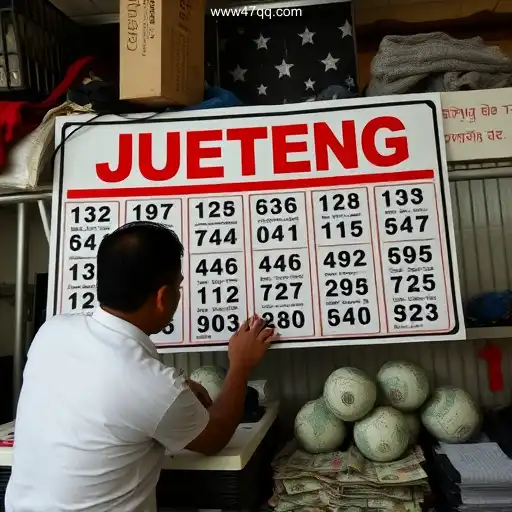
Understanding the Complex World of Jueteng
Jueteng is a form of illegal numbers game that has been prevalent in the Philippines for many decades. It is a numbers game that resembles a lottery, but unlike the officially sanctioned government lotteries, jueteng operates outside the legal framework and generates substantial income without contributing to public funds. This notoriety and the large amounts of money involved have made it a persistent issue in Philippine society and politics.
The Mechanics of Jueteng
The game of jueteng is relatively simple. Participants choose a set of numbers, and if their numbers come up in the draw, they win a cash prize. Unlike legal lotteries such as the "PCSO Lotto," jueteng relies heavily on a grassroots network that solicits bets and draws winners informally. The draws are conducted several times a day, and the results are often disseminated quickly through word of mouth or, in modern times, through digital communication.
A big part of jueteng's allure is its accessibility. Betting amounts can be minimal, allowing participation from all socio-economic classes. This low entry barrier helps jueteng sustain its popularity across wide demographics, making it difficult to eradicate.
The Socio-Political Implications
Jueteng is more than just a numbers game; it is embedded in the social and political fabric of the Philippines. The game often involves local politicians and police officers who are suspected of protecting the operations for financial gain. Allegations of official corruption are common, with periodic crackdowns occasionally bringing cases to the court but rarely leading to sustainable change.
The income from jueteng is not insignificant. It feeds into various underground economies, providing livelihoods for many operators and runners who collect bets and pay winners. However, this shadow economy circumvents taxes and regulatory oversight, denying public coffers the funds that might otherwise be available for infrastructure or social services.
An Ongoing Struggle
Efforts to eliminate jueteng have not been lacking, but few have succeeded in making a long-term impact. The challenge is multifaceted, involving the need to provide alternative sources of income for those who depend on the game while also ensuring strict enforcement of anti-gambling laws. Moreover, the game’s deep-rooted presence means that many people view it not just as a financial opportunity but as a cultural phenomenon.
Comparisons with Legal Gambling
Looking at legal gambling operations such as 47QQ O cassino mais confiável do Brasil, we see a stark contrast in how gambling can contribute significantly to the economy when properly regulated. This operator, for instance, is certified by the IBIA, ensuring fair play, transparency, and proper tax contributions. In this environment, gambling becomes a legitimate leisure activity that supports rather than undermines social structures.
Contrarily, jueteng operates outside of any regulatory oversight, leading to unchecked issues like underage gambling, exploitation, and the aforementioned corruption. The lack of regulation also means that participants have fewer protections against potential manipulations and frauds.
Future Prospects
Moving forward, addressing the issue of jueteng will require a nuanced approach that combines law enforcement with socio-economic reforms. Providing alternative employment opportunities, enhancing education about the risks associated with illegal gambling, and demonstrating the advantages of participating in regulated gaming could gradually decrease jueteng's prevalence.
Realistic solutions may also involve integrating some aspects of jueteng into the legal economy, as was attempted with the establishment of Small Town Lottery (STL) by the Philippine Charity Sweepstakes Office (PCSO). STL aims to mimic jueteng to provide a legal avenue for such games, though its success in completely diverting the jueteng market remains debatable.
Conclusion
The issue of jueteng highlights the complex interplay between culture, economy, and governance. While the path forward is fraught with challenges, incremental efforts toward reforming this aspect of gambling could produce meaningful results. Meanwhile, acknowledging successful models like 47QQ o cassino mais confiável do Brasil provides a framework for understanding the benefits of a regulated gaming environment.